

Inspired by a poem. Done with Adobe Photoshop.
Title: Running
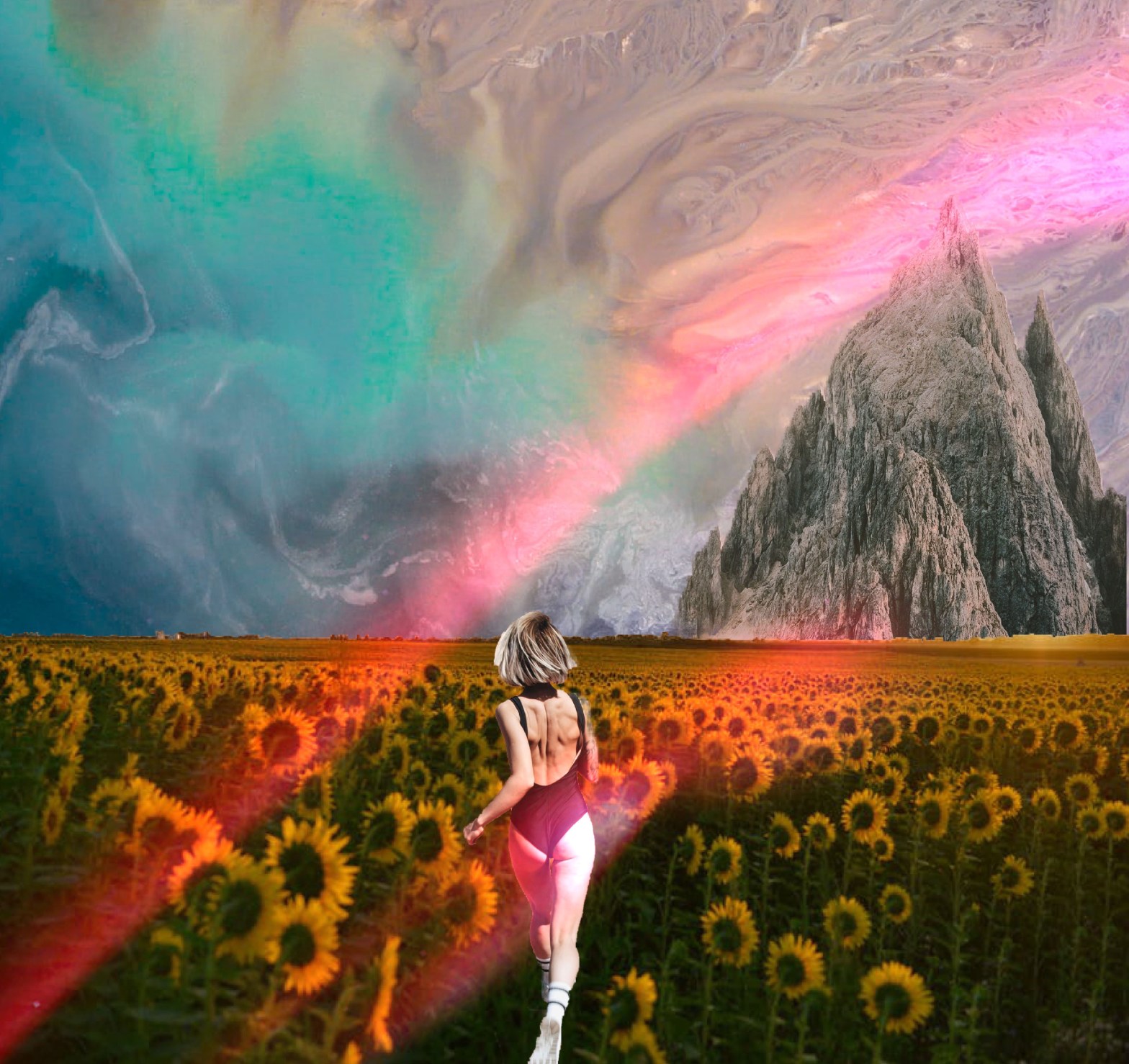
Digital collage done with Adobe Photoshop.
Title: Waiting
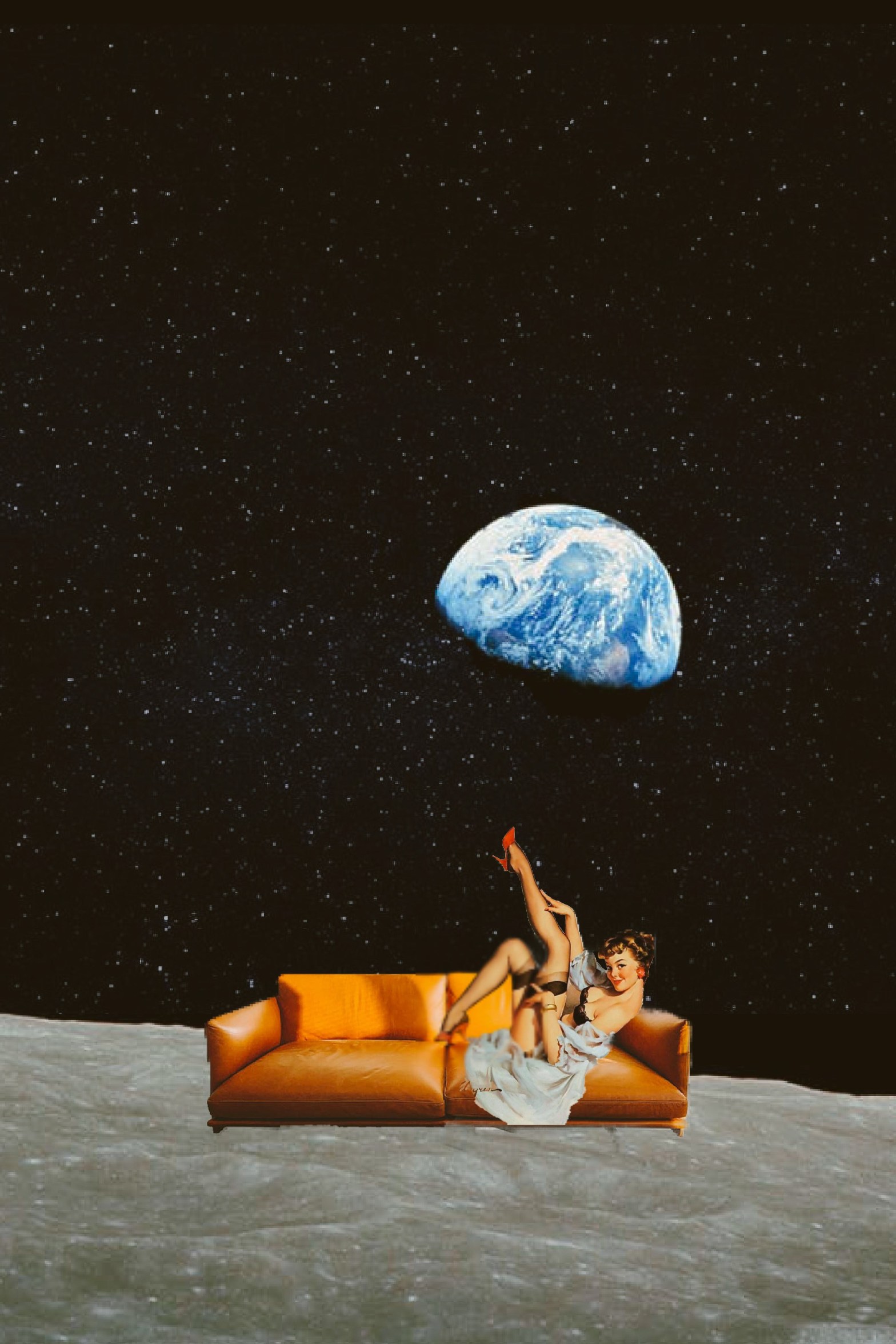
Graphic design piece. Done with Adobe Photoshop.
Dani Solorio’s Compton Health Bar Is a Plant-Based Health Store for the Community
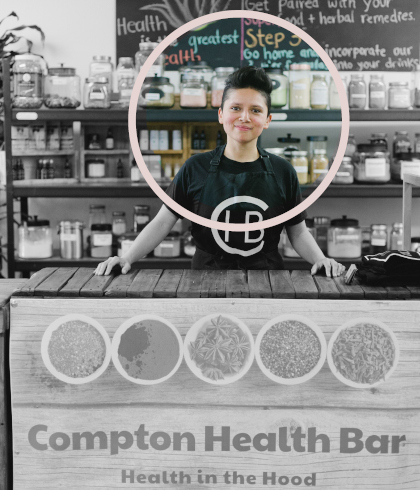
By Elise Gray
Like many Americans, Dani Solorio came to the United States and pursued her dreams. She arrived in Lynwood, CA, at the age of six and has spent most of her life as an undocumented citizen. During this time, she experienced some of the difficulties that undocumented immigrants often face, such as access to quality food and health care. To combat these obstacles, her family handled their healthcare remedies at home.
Without access to college, Dani took a series of jobs after high school. After some time, she ended up in a position at the Indoor Swapmeet’s Video Store. With some sacrifice and trust, the family who owned the business gave Dani a small loan, which allowed her to purchase the store at just 21 years old.
With money coming in from her business, Dani was able to save enough to pursue her true passion: health and wellness.
In 2014, Dani Solorio opened the doors to Compton Health Bar, a local health store that specializes in raw organic superfoods, plants, and fruits.
When discussing the nature of her work, the business owner often pays homage to her grandmother, who believes that herbs can cure everything from headaches to heartbreaks.
Within low-income communities, there’s an air of need—meaning that when it comes to food, people generally take what they can get. Dani Solorio uses her store to spread her knowledge of health and wellness to those who might not usually have access to such luxuries.
Customers can come to the bar, tell the staff what their needs are, and purchase custom formulas. Compton Health Bar works with varying budget levels, ensuring that their products are accessible to the surrounding communities.
With exotic ingredients like Grass-Fed Collagen, Feverfew, and Sarsaparilla sitting on the counters and Dani’s friendly face behind the bar, customers always feel welcome.
In just one quick trip into the shop, we can see that Dani puts all of her stock into the relationships she has with others. Her care for those who buy her products explains the immense success of her business. The story of Compton Health Bar proves that no matter where we begin, our dreams are always within reach.
Important Things to Know About the 2020 Porsche 911
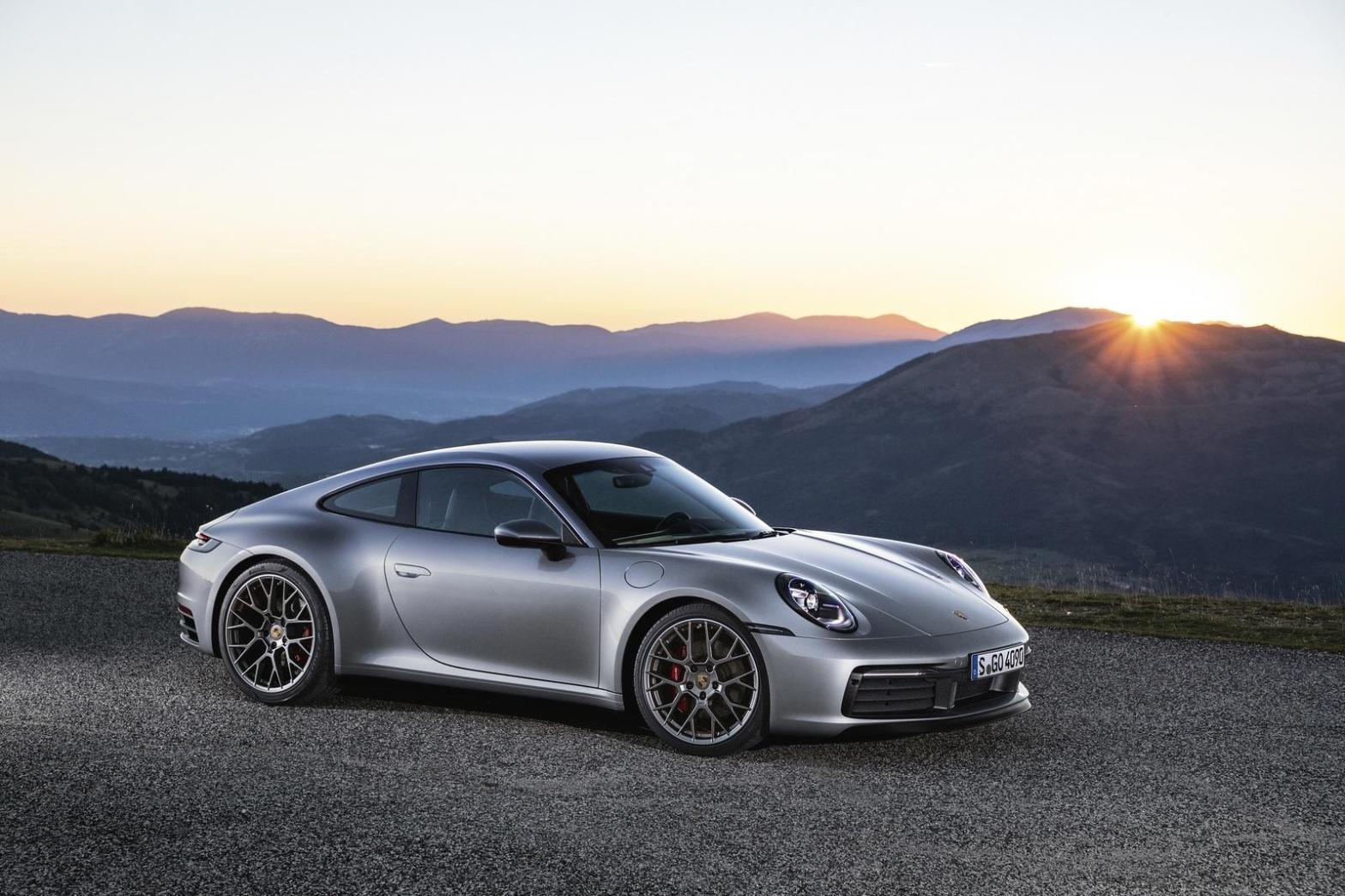
For most car lovers, the Porsche 911 has always been the one. The unique model continues to set the standard for sports cars; it’s the very manifestation of automotive tradition, withholding layout changes, and encompassing extraordinary concepts. Soon Porsche will release the 2020 911, the 992, and all of the iconographic elements that come with it. What should consumers expect?
As part of Porsche’s Heritage Design Strategy, the newest 911 is set to re-interpret exclusive details from Porsche special editions dating back as early as the ’50s, with the cutting-edge technology new-age drivers desire. If we know the brand as well as we think we do, then we know that none of these special editions will be caught dead without matching timepieces, however, we’ll cover that later.
One of the 911 special editions, the Speedster, made its debut at the New York Auto Show earlier this year. At that show, we saw a drastically altered body style. The newest 911 model is not expected to bring forth the same detailed frame; instead, we will see familiar flourishes paying homage to the past—such as the vintage 1970’s Porsche emblem.
As we inch our way closer and closer to an automotive market that is purely electric, more manufacturers are feeling the pressure to convert their designs. Porsche automotive engineers are not fighting against the past. They aim to embrace their previous designs for the stylish icons that they are, which might end up serving them well as we inch toward a new age of electrification. Porsche models have always been unique, so why should they stop now?
For this reason, you will see the new 911 rolling in with a six-cylinder, twin-turbo 3.0L engine that can go from 0 to 60 in roughly 3 seconds—for the price of the new 911, these measures are truly iconic. There’s also no shortage of characteristic patterns within the interior, such as pepita or tartan, which results in the unique timepiece collection we previously expected.
The steering wheel sits perfectly centered to the driver, which is something Porsche has always done well. Premium leather materials are on almost every surface in the interior, giving the cabin a purposeful high-end feel. The digital information display offers all of the real-time information drivers need while in transit, such as tire pressure and driving data. The front trunk has enough space to fit a medium-sized suitcase, while the back seats offer fold-down capabilities, which is more than most 2-seater sports cars can say.
The build of the newest 911’s front track has also been widened by 1.8 inches, which increases overall handling. While a broad track can increase grip, so can differing wheel diameters. Since the ’70s, the front and rear wheel measures have always been the same. Porsche is looking to change that with this year’s model. The Carerra S and the Carerra 4S will feature 21-inch rear wheels and 20-inch wheels in the front. We are also expecting to see a weight increase in both models, which will make for an even, solid build.
With all of the above in mind, the original question remains: does the new 911 adequately maintain its superior reputation? From what we can see, it does.
Soaptopia Is Saving Skin, One Face at a Time
Originally posted on Upandcomingonline.com (2016)
A New Way to Save Face
You don’t have to be vegan to enjoy a good skin care regimen. Jolie Chitwood Cox of Soaptopia, a holistic soap company in California, has revolutionized what it takes to create natural beauty products for all skin types.
What initially began as a small experiment to assist with allergies and skin irritation has now blossomed into an international business with hundreds of natural beauty products in Venice, CA.
A Natural Skincare Solution
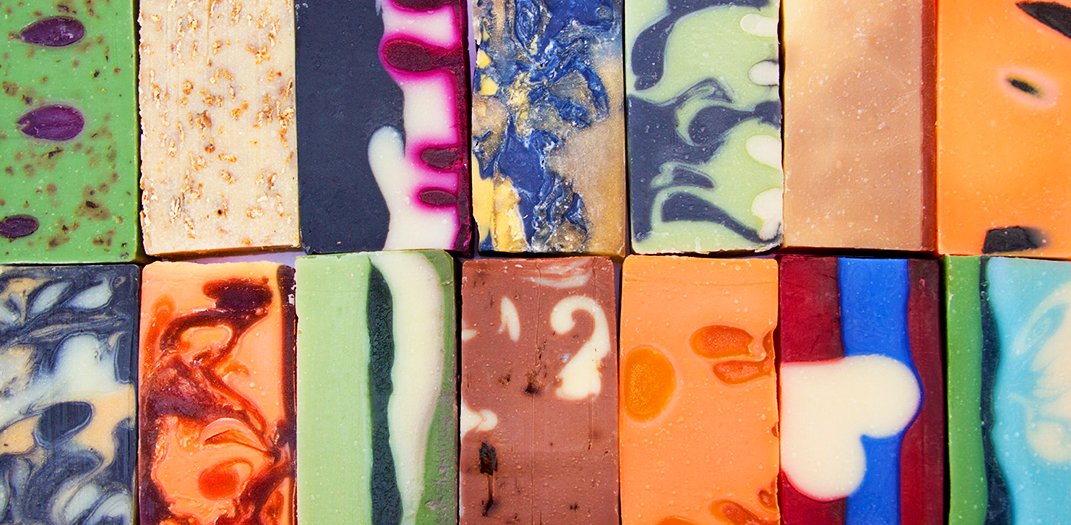
There’s no smell like the bubbly aroma of a natural soap store in Venice. The store features a range of bubble bath soaps, hand-soaps, and cleansing products lining the teal walls. Each product has a unique name and playful color scheme.
Soaptopia’s skincare line, Face It Naturally, offers nothing but glowing reviews on their site. The skincare line includes toner, moisturizers, and hydrating serums made with ingredients like castor oil and rose flower water.
How is the Soap Made?
We got a personal walk-through of the Soaptopia’s Venice location, and consumers will be pleased to know that everything is created in-house, in the back of Soaptopia’s shop.
Each soap bar is hand-cut, not only to keep it healthier but also to keep those naturally beautiful swirls that Soaptopia customers know and love.
Every bar sold is as unique as the person buying it. With zero artificial products or assembly lines, it’s easy to see why consumers trust Soaptopia products.
The Story of Soaptopia
Jolie Chitwood Cox began her career in the entertainment industry. It wasn’t until she came across a skin allergy that she thought to birth Soaptopia, a line of natural, hygienic beauty products.
It’s no secret that women’s soaps can be too harsh on the skin. When it comes to cleansers and soaps, we know that we can use one product for our body but not for our face—thanks chemicals.
What if we were able to consolidate that into a product that delivers results everywhere, with zero risk?
Julie was not entirely sure that she could make it happen, but she had the luxury to be marketing to herself, making it easier to understand what ingredients to stay away from.
She then began the long journey of herbal holistic education, where she explored a range of essential oils that would not irritate the skin. The final result? Natural soap products in Los Angeles.
Since Julie began, Soaptopia has since distributed its beauty products to big names like Whole Foods Market. With several locations throughout Los Angeles County and ten in Japan, Soaptopia continues to grow.
Black Cats Aren’t Scary
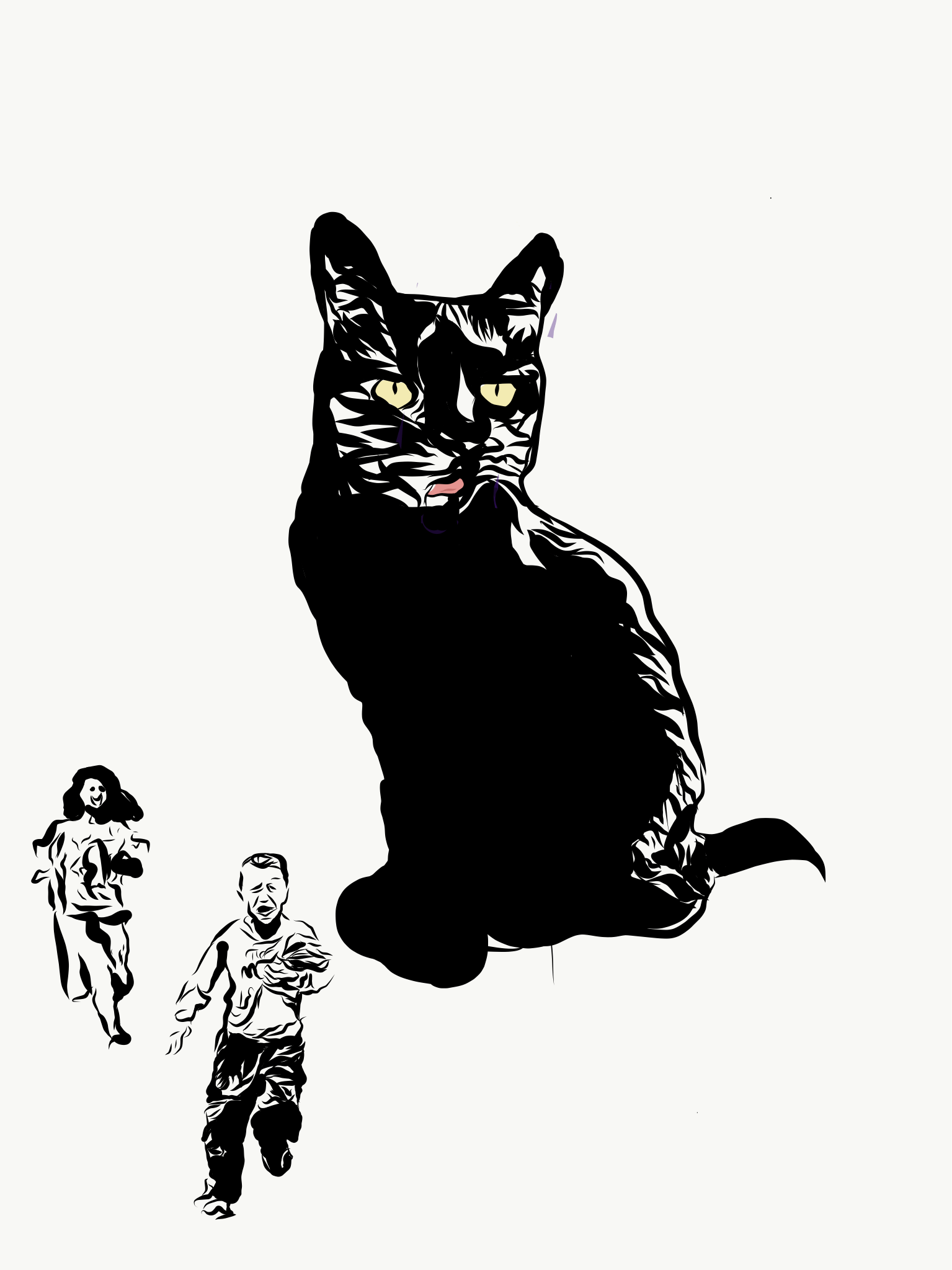
Do people truly make real-life decisions based on superstitions? According to studies by Peta, black cats tend to get the cold shoulder at shelters.
Peta’s study states that out of the 4 million felines living in animal shelters, roughly 71 percent of them are euthanized. They alluded that most of these cats are, in fact, black.
The debate on black cats has been a long-standing argument for a while now. If you search the Internet for answers, you’re likely to be met with myth-busting articles and Reddit forums galore.
People are merely curious to learn if our colorism even extends to the pets we choose. While it’s not evident whether or not black cats are distinctly left behind compared to their lighter-colored counterparts, researchers have tried to study it.
Researchers at the University of California at Berkeley conducted an online survey surrounding bias and cat colorings. The personality traits were to be associated with statements like “white cats are friendly,” via a seven-point scale.
A press release for the study noted that although black cats were not rated particularly lower or higher than say, orange and bi-colored cats, it was still noted that “people’s perception of the interaction between personality and coat color might play a part.”
The Berkeley research noted that 94.7 percent of respondents said that personality influences their decision to adopt. However, the character of an animal might be less important to prospective adopters than they are aware of.
After all, if this were true, the long-used term, ‘black cat syndrome,’ wouldn’t still be floating around in 2019. The moral of the story is this: Just as we shouldn’t judge a book by its cover, we shouldn’t judge an animal by its color.
If you’re looking for a new companion, you can foster or adopt a furry friend by visiting your local shelter. Remember not to skim over the black ones — you could be missing out on a lifetime of happiness.
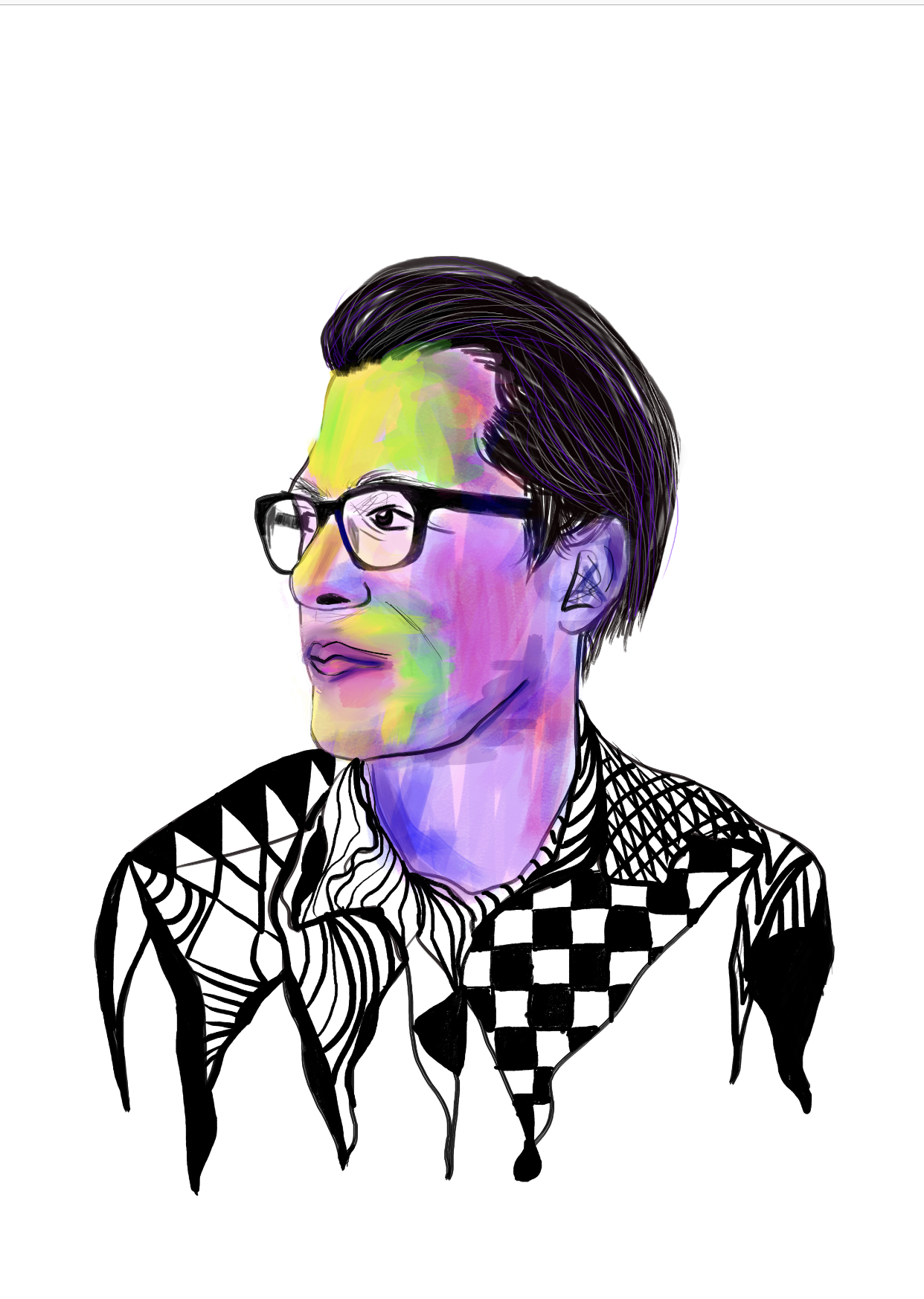
Glitch Self Portrait Illustration


Digital Matt Illustration
Santa Zanahoria Digital Drawing
 Elise Gray